Oral Thrush Home Remedies: What Actually Works
Medical disclaimer: This article is for educational purposes only and isn’t a substitute for professional medical advice, diagnosis, or treatment. Home remedies are supportive measures, not a substitute for prescribed antifungal treatment.
Oral thrush is a prescription-treatment condition first and foremost — but a handful of supportive habits are worth knowing about, both for comfort during treatment and for reducing the chance it comes back.
The Honest Starting Point
Unlike some other yeast infection contexts where natural remedies have a genuine (if limited) evidence base, oral thrush is a condition where prescribed antifungal medication (typically nystatin, miconazole, or fluconazole) is the established, effective standard treatment. Home remedies here are best understood as supportive additions during or after treatment, not alternatives to it.
Oral Hygiene Basics
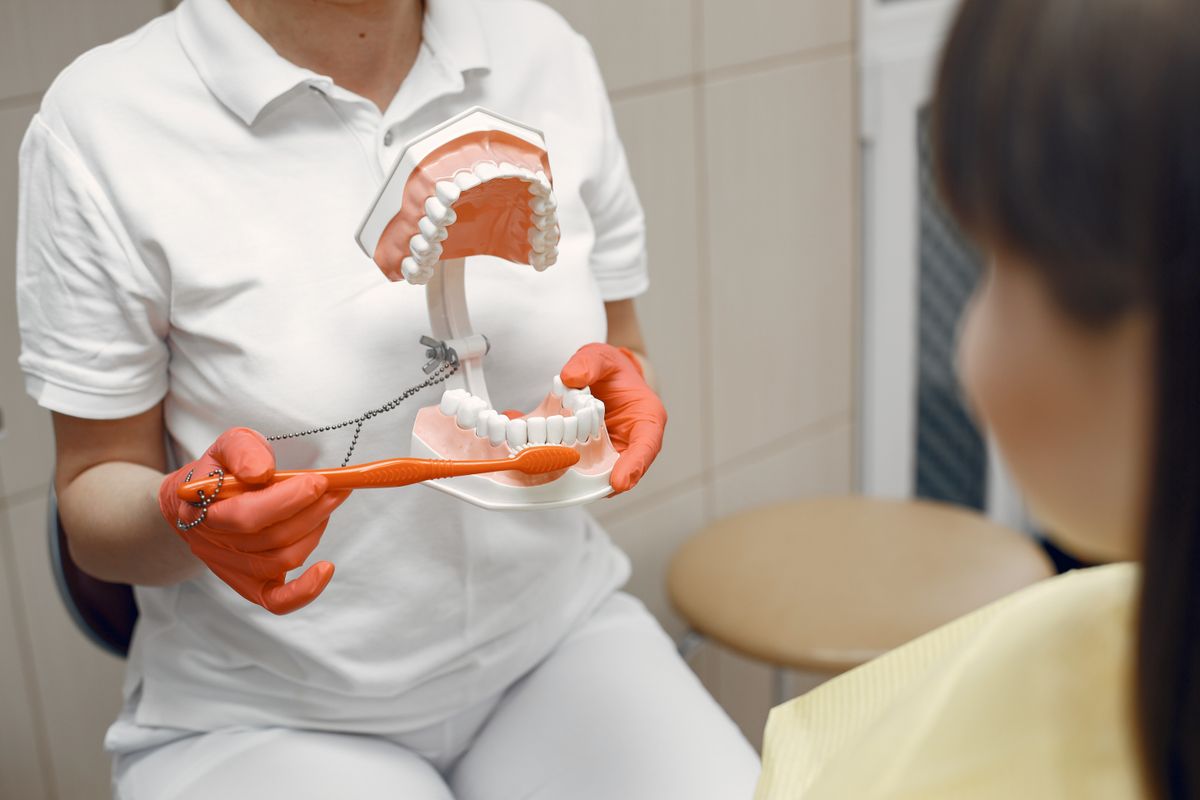
Regular gentle brushing, using a soft-bristled toothbrush to avoid irritating already-sensitive tissue, and rinsing the mouth with water after eating all support healing and reduce the environment Candida needs to thrive. If you wear dentures, this is also the moment to be especially diligent about nightly removal and cleaning, since denture-related thrush won’t fully resolve without addressing that root cause. (See our guide on oral thrush in adults for more on the denture connection.)
Salt Water Rinses
A simple warm salt water rinse (about half a teaspoon of salt in a cup of warm water) is a low-risk, widely recommended comfort measure that can help soothe irritated tissue, though it isn’t antifungal and won’t clear the underlying infection on its own.
Reducing Sugar and Refined Carbohydrates
Because Candida feeds on sugar, some clinical sources suggest that reducing sugary and highly refined foods during an active infection may offer modest supportive benefit — though, similar to the broader “candida diet” for other types of yeast infections, this isn’t a substitute for treatment and the evidence for a strong direct effect is limited. (See our guide on the candida diet for a fuller look at that evidence.)
What About Probiotics?
Some people use probiotic supplements or foods (like plain yogurt with live cultures) as a supportive measure, based on the same Lactobacillus-supports-microbial-balance logic that applies elsewhere in the body. Evidence specifically for oral thrush is limited compared to vaginal yeast infection research, so think of this as a low-risk potential addition rather than a proven remedy. (See our guide on probiotics for yeast infections.)
What to Be Cautious About
Be careful with any home remedy involving direct application of acidic or concentrated substances (like undiluted vinegar or essential oils) to mouth tissue — the mouth’s mucous membranes are sensitive, and what might be tolerated on skin can cause real irritation or burns inside the mouth. This caution applies especially to treating a baby’s thrush, where a pediatrician should be consulted before trying anything beyond prescribed treatment. (See our guide on oral thrush in babies.)
Where Supportive Measures Fit
Good oral hygiene, salt water rinses for comfort, and modest dietary adjustments are all reasonable to layer alongside prescribed antifungal treatment — but they’re support, not substitutes. If thrush is present, seeing a doctor for an antifungal prescription is still the primary, evidence-based path to actually clearing it.
When to See a Doctor
See a doctor if you have white patches that persist, spread, or cause significant discomfort, if you’re relying on home remedies alone without any improvement, or if thrush keeps recurring — which may point to an underlying cause worth investigating. (See our full pillar guide on oral thrush.)
The Bottom Line
Home remedies for oral thrush — salt water rinses, good oral hygiene, modest dietary changes — offer real comfort and support but aren’t a substitute for prescribed antifungal treatment, which remains the standard, effective way to actually clear the infection.
This article is for educational purposes only and isn’t a substitute for professional medical advice, diagnosis, or treatment.
Sources consulted: Cleveland Clinic’s clinical guidance on thrush treatment, Columbia Doctors’ patient information on thrush, and Medical News Today’s overview of oral thrush treatment approaches.