
Probiotics for Yeast Infections: Do They Work?
Medical disclaimer: This article is for educational purposes only and isn’t a substitute for professional medical advice, diagnosis, or treatment. Probiotics are not a treatment for an active yeast infection — talk to a doctor about proper treatment if you think you have one.
Probiotics come up constantly in yeast infection discussions, usually framed as a way to “restore balance” to the vaginal microbiome. That’s a reasonable-sounding idea, and there’s real biology behind it — but it’s worth separating what probiotics can plausibly do from what they’ve actually been shown to do in research, since those aren’t quite the same thing yet.
The Idea Behind It
The vagina naturally hosts a community of bacteria, dominated in most healthy people by various Lactobacillus species. These bacteria help keep the environment slightly acidic, which makes it harder for yeast (and certain harmful bacteria) to overgrow. Anything that disrupts that balance — antibiotics, hormonal shifts, or other factors — can make room for Candida to multiply. The theory behind probiotics is that adding more of these beneficial bacteria, either orally or vaginally, could help maintain or restore that protective balance.
What the Evidence Actually Shows
This is the part where hedging matters. Some smaller studies have shown promising results for specific Lactobacillus strains in reducing recurrence of yeast infections, particularly when used alongside antifungal treatment rather than as a replacement for it. But the overall evidence base is still limited and mixed — study sizes tend to be small, strains and dosing vary a lot between products and studies, and major medical organizations don’t currently consider probiotics a proven, standalone strategy for preventing or treating yeast infections. In plain terms: promising, plausible, and worth trying if you’re inclined to, but not yet a settled, well-established recommendation the way OTC antifungal treatment is for an active infection.
What Probiotics Are Not
Probiotics are not a treatment for a yeast infection you already have. If you have active symptoms — itching, discharge, burning — a probiotic supplement isn’t going to resolve that on its own, and treating an active infection is a different problem than trying to prevent future ones. (See our OTC treatment comparison if you’re dealing with symptoms right now.)
How People Typically Use Them
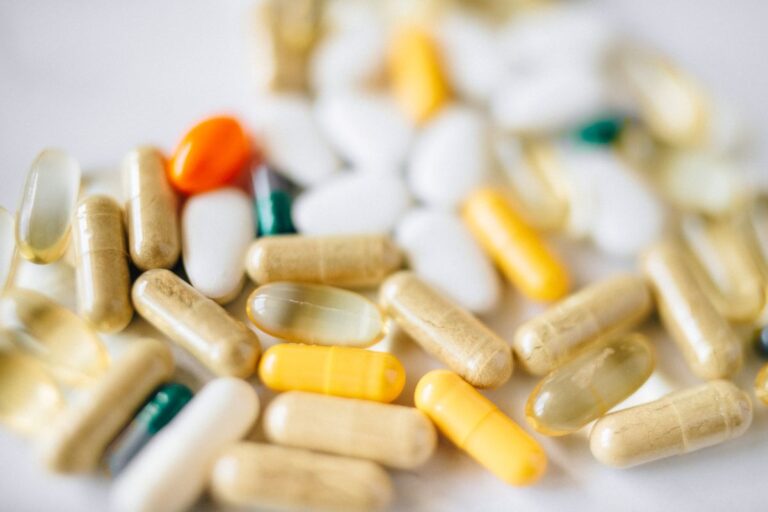
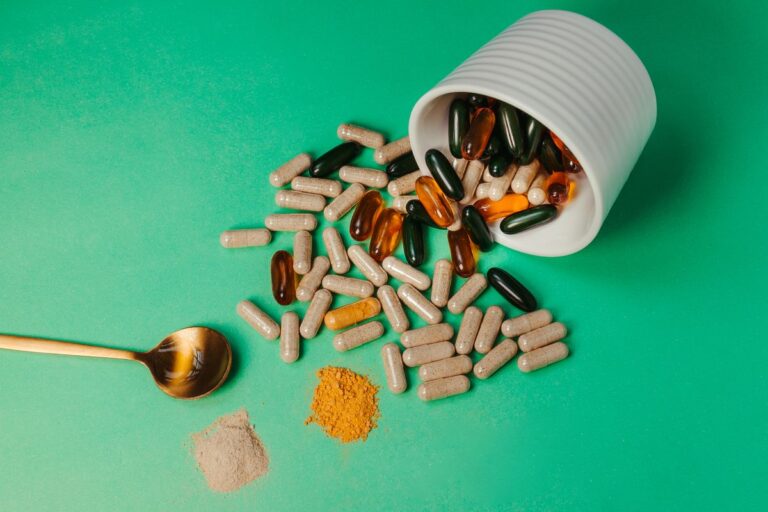
Two main approaches show up in probiotic discussions for vaginal health: oral supplements (capsules taken by mouth, generally the better-studied route) and vaginal probiotic suppositories (inserted directly, with a more limited but growing body of research). Oral supplements are more widely available and easier to fit into a daily routine, which is likely part of why they’re the more common choice. Look for products listing specific, named Lactobacillus strains — L. rhamnosus and L. reuteri come up most often in vaginal-health-focused formulations — rather than a vague “probiotic blend,” since strain matters more than total bacterial count for this particular use. (See our roundup of the best probiotic supplements for yeast infection and vaginal health for specific product picks.)
Who Might Want to Be Cautious
Probiotics are generally considered low-risk for most healthy people, but it’s worth checking with a doctor before starting any new supplement if you’re pregnant, immunocompromised, or managing a chronic health condition — not because probiotics are known to be harmful in these situations, but because “generally low-risk” isn’t the same as “risk-free for everyone.”
The Bottom Line
Probiotics are a reasonable, low-risk addition to a prevention-focused routine, with some encouraging (if not yet conclusive) evidence behind specific strains — but they’re not a treatment for an infection you already have, and they shouldn’t be presented, or treated, as a guaranteed fix for recurrent yeast infections. If infections keep coming back despite reasonable prevention efforts, that’s a conversation for a doctor rather than a supplement aisle. (See our guide on recurrent yeast infections and our guide on when to see a doctor for more.)
This article is for educational purposes only and isn’t a substitute for professional medical advice, diagnosis, or treatment.