
Probiotics for Yeast Infections: Evidence, Limits & Safety
Medical disclaimer: This article is for education only. It does not diagnose or treat an infection. Vaginal itching, burning and discharge can have several causes, and persistent or recurrent symptoms need clinical assessment.
Short answer: probiotics are biologically plausible and some studies report benefits when particular strains are added to antifungal treatment, but the evidence is inconsistent. The CDC states that there is no substantial evidence for probiotics as a treatment for vulvovaginal candidiasis (VVC). A probiotic should not replace diagnosis or a proven antifungal treatment.
Why probiotics are being studied
Many healthy vaginal microbiomes are dominated by Lactobacillus species. These bacteria can help maintain an acidic environment and interact with other microorganisms. That makes it reasonable to study whether a carefully selected probiotic might support the vaginal microbiome after disruption.
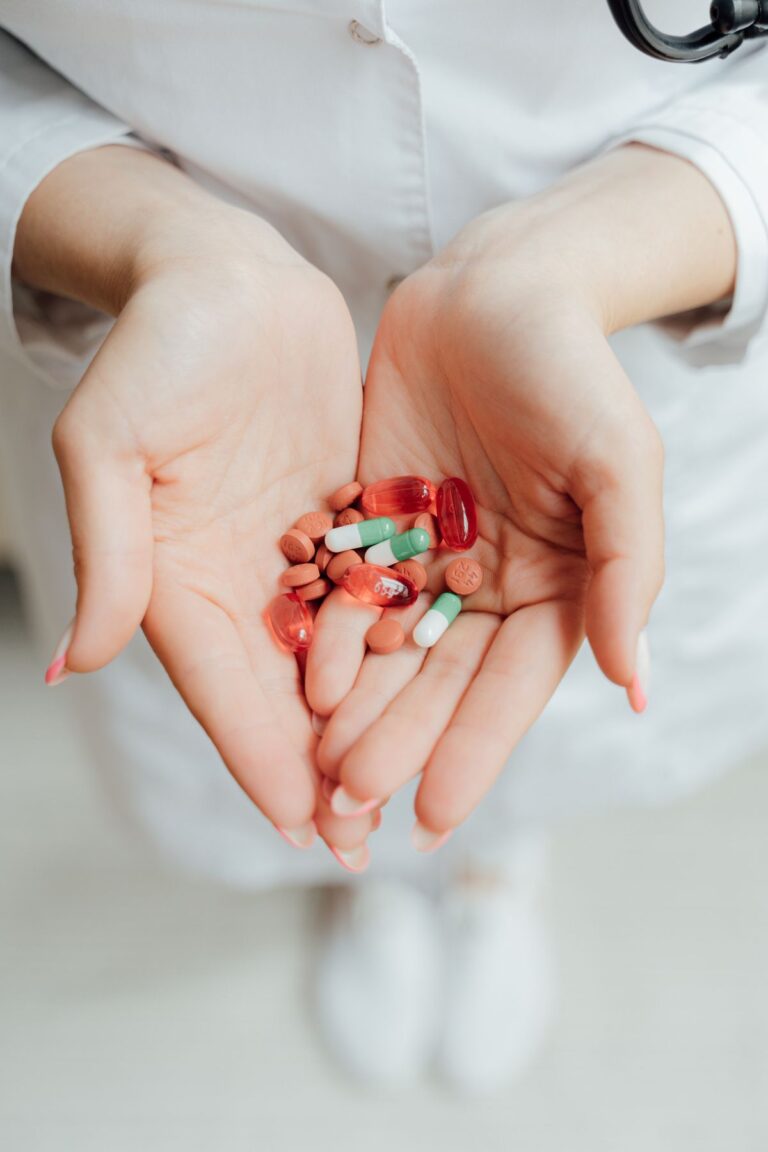
However, a plausible mechanism does not show that a capsule or suppository prevents or cures an infection. Commercial products contain different species, strains, doses and formulations, and a result for one studied preparation cannot automatically be transferred to another product.
What the evidence says
| Question | Best current answer | Confidence |
|---|---|---|
| Can probiotics treat an active yeast infection on their own? | No reliable evidence supports replacing an antifungal with a probiotic. The CDC VVC guideline says there is no substantial evidence for probiotics as treatment. | Moderate to high |
| Can they help when added to an antifungal? | Some trials and reviews report better short-term clinical or laboratory outcomes, but results vary and studies use different strains, routes and endpoints. | Low |
| Can they prevent recurrence? | The evidence is uncertain. Positive findings have not established a dependable strain, dose, route or duration for routine prevention. | Low |
| Does a “women’s probiotic” label prove vaginal-health benefit? | No. The claim needs to be supported for the specific strains and formulation, not merely the product category. | High |
A 2024 review of probiotics in VVC described the literature as generally positive but inconsistent. Other reviews have also reported possible adjunctive benefits, yet variation in study design and probiotic preparations makes the findings difficult to generalise. This is why the more cautious CDC conclusion remains important for readers making a treatment decision.
Oral capsules, yogurt and vaginal products are not interchangeable
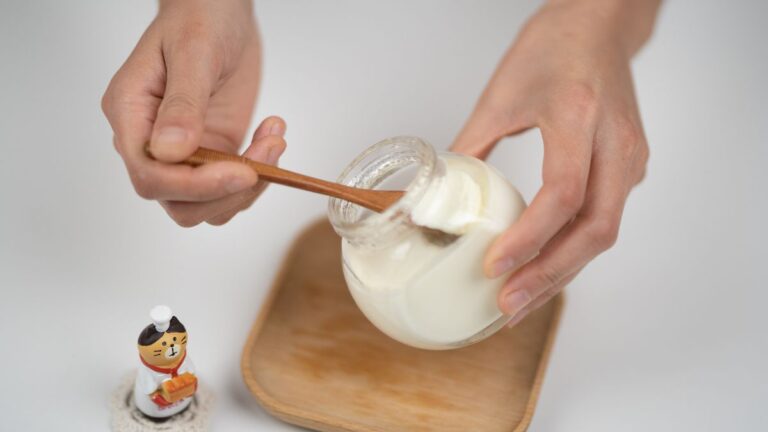
“Probiotic” is not one intervention. An oral capsule, a serving of yogurt and a vaginal product reach different sites and may contain different organisms. Evidence involving a named strain delivered vaginally does not prove that eating any live-culture yogurt has the same effect. Likewise, evidence for one oral combination does not validate every high-CFU supplement.
Do not insert food into the vagina. Yogurt is not manufactured as a sterile vaginal medicine, its organisms and concentration are not standardised for that use, and inserting it may irritate tissue or delay the correct diagnosis.
How to interpret a probiotic label
- Look for full strain identification. A species name such as Lactobacillus rhamnosus is less specific than a species plus strain code. Clinical effects can be strain-specific.
- Do not treat CFU count as an effectiveness score. More colony-forming units do not prove a better vaginal-health outcome.
- Check the count at the end of shelf life. A count stated only “at manufacture” may not reflect what remains when you take it.
- Follow storage instructions. Some preparations require refrigeration; others are formulated to remain stable at room temperature.
- Separate quality testing from clinical evidence. Third-party verification may support identity, purity or label accuracy, but it does not prove that the product prevents or treats VVC.
Our probiotic supplement evidence and buying guide explains these criteria in more detail without ranking brands as proven treatments.
Safety
Probiotics are usually well tolerated by healthy people, with gas and other digestive symptoms among the more common effects. Serious infections have been reported rarely, mainly in people who are severely ill or immunocompromised. The NIH Office of Dietary Supplements probiotic fact sheet notes that risk is greater in people with severe illness or compromised immune systems.
Ask a clinician before using a probiotic if you are severely ill, significantly immunocompromised, have a central venous catheter, are caring for a premature infant, or are considering a vaginal product during pregnancy. Stop using a product and seek advice if it causes marked irritation or worsening symptoms.
What to do if you have symptoms now
A probiotic is not a diagnostic test. If this is your first suspected infection, the symptoms are unusual, treatment has failed, you are pregnant, or episodes keep returning, arrange an assessment. The complete vaginal yeast infection guide explains when self-treatment may be reasonable and when testing matters.
For a confirmed uncomplicated VVC episode, use an evidence-based treatment appropriate to your situation. Probiotics may be discussed as an optional adjunct, but the uncertainty should be explicit and they should not delay care.
Bottom line
Probiotics are a research area, not a proven class-wide treatment for yeast infections. Some strain-specific studies are encouraging, especially as add-on therapy, but the results do not justify promising that an ordinary supplement or yogurt will treat an active infection or prevent recurrence. Choose products by transparent strain and quality information, and keep the treatment decision separate from the supplement-buying decision.
References
- Centers for Disease Control and Prevention. Vulvovaginal Candidiasis: STI Treatment Guidelines. Accessed August 3, 2026.
- Akinosoglou K, et al. Probiotics in the Management of Vulvovaginal Candidosis. 2024. PMID: 39274376.
- National Institutes of Health, Office of Dietary Supplements. Probiotics: Fact Sheet for Health Professionals. Updated March 25, 2025. Accessed August 3, 2026.
Prepared by Peter Ng, publisher and editor. Peter is not a medical professional. This article synthesises the cited guidance and research; it has not been medically reviewed.