
Antifungal Resistance: Why Some Yeast Infection Treatments Stop Working
Medical note: Symptoms that persist after antifungal treatment do not prove drug resistance. A clinician needs to confirm Candida, identify the species when appropriate, and interpret any susceptibility result.
Antifungal resistance means a fungus is no longer sufficiently affected by a medicine that would normally inhibit or kill it. Resistance is real and increasingly important in medicine, but it is only one possible explanation when a vaginal yeast infection treatment appears not to work.
For vulvovaginal candidiasis (VVC), the US Centers for Disease Control and Prevention (CDC) recommends culture or PCR in complicated cases and says susceptibility testing should be considered for symptomatic patients who remain culture-positive despite maintenance therapy. That is a much narrower and more useful standard than assuming resistance whenever symptoms recur.
First: treatment failure is not the same as resistance
| What happened? | Possible explanation | What helps distinguish it |
|---|---|---|
| Symptoms never improved | Wrong diagnosis, severe disease, unsuitable regimen, non-albicans species, or resistance | Examination, microscopy, culture or another validated test |
| Symptoms improved, then returned | Recurrence, another condition, or incomplete control—not automatically resistance | Testing during the new symptomatic episode |
| A test found Candida but symptoms are atypical | Colonisation may coexist with another cause | Clinical interpretation; a positive result alone does not prove causation |
| Culture remains positive during maintenance treatment | Resistance or reduced susceptibility becomes more relevant | Species identification and antifungal susceptibility testing where available |
| Several OTC products “failed” without testing | The condition may never have been Candida | Pause repeated self-treatment and obtain a diagnosis |
Itching, burning, soreness, and discharge overlap with bacterial vaginosis, STIs, dermatitis, vulvar skin disorders, and other conditions. The CDC specifically cautions that even people previously diagnosed with VVC may not reliably diagnose another episode themselves.
Three concepts that are often confused
1. Recurrent infection
The CDC defines recurrent VVC as three or more symptomatic episodes in less than one year. Recurrence describes a pattern over time; it does not say whether the organism is resistant. Many recurrent infections are caused by azole-susceptible Candida albicans and can be controlled with an appropriate induction and maintenance regimen.
2. A different Candida species
Most vaginal yeast infections involve C. albicans. The CDC reports that non-albicans species occur in about 10%–20% of women with recurrent VVC. Some species, including Candida glabrata, are less responsive to commonly used azoles. That may reflect intrinsic characteristics of the species rather than resistance newly acquired during one person’s treatment.
3. Antifungal resistance
True resistance is a property of the organism in relation to a particular drug. It can be suspected from the clinical pattern, but laboratory susceptibility testing is what evaluates how an isolate responds to antifungal concentrations. A person’s body does not become “immune” to fluconazole; the fungus may be less susceptible, or the treatment may be failing for another reason.
How resistance can develop
Fungi can use several biological mechanisms, including changes in the drug’s target, increased production of the target, pumps that move medicine out of the cell, and changes in cellular pathways. The simplified diagram below illustrates two concepts; it is not a diagnostic test or a complete account of resistance biology.
Antifungal exposure can create selection pressure that favours organisms able to survive. This is one reason to use antifungals for a confirmed or clinically well-supported indication and to follow the prescribed regimen. It does not justify blaming an individual for resistance or claiming that one incomplete OTC course caused it.
What testing can—and cannot—tell you
Culture or molecular testing
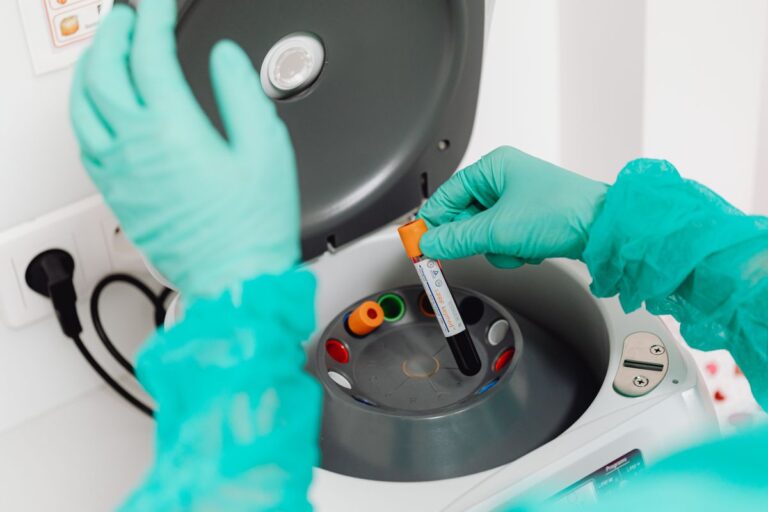
For complicated VVC, the CDC recommends vaginal culture or PCR to confirm the diagnosis and identify non-albicans Candida. Microscopy can miss C. glabrata because it does not form the same structures that make some other Candida easier to see.
Susceptibility testing
A laboratory exposes the cultured organism to antifungal agents and reports whether growth is inhibited at particular concentrations. The result is interpreted alongside the species, available clinical breakpoints or epidemiologic cut-offs, infection site, medicine exposure, and the patient’s response. It is not a stand-alone guarantee that a medicine will succeed or fail.
Susceptibility testing is not routinely needed for every first uncomplicated infection. The CDC highlights it for symptomatic people who remain culture-positive despite maintenance therapy. Specialist consultation is recommended in that situation.
Why Candida auris statistics usually do not describe vaginal thrush
The broader antifungal-resistance crisis includes healthcare-associated and invasive Candida infections. The CDC’s drug-resistant candidiasis overview discusses species such as Candida auris, C. parapsilosis, and C. glabrata, particularly in invasive disease.
Those hospital surveillance figures should not be used as the prevalence of resistance in ordinary vaginal yeast infections. C. auris is an important emerging healthcare pathogen, but a person whose presumed vaginal thrush did not respond to an OTC cream should not infer that they have C. auris or invasive candidiasis.
What treatment may look like after confirmation
Treatment depends on the diagnosis, species, susceptibility result, pregnancy status, prior exposure, other medicines, and health conditions. The following are guideline frameworks, not instructions for self-treatment.
Recurrent C. albicans VVC
The CDC recommends a longer induction phase—7–14 days of topical azole therapy or fluconazole on days 1, 4, and 7—before maintenance. The indicated maintenance regimen is fluconazole once weekly for six months in suitable nonpregnant patients. Recurrence after suppression does not by itself prove resistance.
Non-albicans VVC
The CDC first advises excluding other causes of symptoms. It then recommends 7–14 days of a non-fluconazole azole. If recurrence occurs, its guideline lists vaginal boric acid 600 mg daily for three weeks and reports about 70% clinical and mycologic eradication. Boric acid is toxic if swallowed, is not the pregnancy regimen, and should not be improvised without clinical guidance.
Persistent culture-positive disease
When symptoms and positive cultures continue despite maintenance treatment, susceptibility testing and specialist management are the evidence-based next steps. Newer prescription antifungals may be relevant for some patients, but each has specific approved uses, contraindications, reproductive-safety restrictions, interactions, and access considerations. “New” does not mean appropriate for every resistant isolate.
What not to do when treatment seems to fail
- Do not keep alternating OTC products without confirming the diagnosis.
- Do not use leftover oral fluconazole or increase the dose or frequency yourself.
- Do not assume boric acid, probiotics, essential oils, or TCM remedies overcome drug resistance.
- Do not use a manufacturer’s laboratory claim as proof that a product treats resistant VVC in people.
- Do not interpret recurrence, non-albicans Candida, and resistance as interchangeable terms.
- Do not compare vaginal VVC with hospital candidemia statistics without explaining the different populations and infection sites.
There is no clinical evidence that home or traditional remedies specifically reverse antifungal resistance. If a symptom-relief product makes someone feel better, that still does not establish eradication of a resistant organism.
Questions to ask at an appointment
- Was Candida confirmed while I had symptoms?
- Which Candida species was identified?
- Could another condition be causing or contributing to the symptoms?
- Have I had an adequate induction and maintenance regimen?
- Am I still culture-positive during treatment?
- Is susceptibility testing available and likely to change management?
- Should I see a gynaecologist, infectious-disease clinician, or vulvovaginal specialist?
Bring a timeline of symptoms, treatments, active ingredients, dose and duration, test reports, recent antibiotics, pregnancy status, and a complete medicine list.
When to seek care
Arrange evaluation when treatment fails, symptoms recur within two months, or episodes meet the CDC recurrent threshold. Seek care sooner for pregnancy, severe swelling or fissures, diabetes or immune suppression, possible STI exposure, fever, pelvic pain, sores, bleeding, or unusual discharge. Severe pain, heavy bleeding, fainting, breathing difficulty, or a serious allergic reaction requires urgent assessment.
The bottom line
Antifungal resistance is real, but persistent vaginal symptoms do not diagnose it. First confirm Candida and identify the species in complicated disease. If a symptomatic patient remains culture-positive despite maintenance treatment, the CDC recommends susceptibility testing where available and specialist management. Recurrent VVC, non-albicans VVC, and resistant VVC overlap, but they are not the same condition.
Written and researched by Peter Ng, publisher and editor. Peter is not a medical professional. This article translates published clinical guidance for a general audience and does not provide individual diagnosis or treatment.
How this article was prepared: AI assisted with initial drafting and organisation. Peter Ng subsequently edited and source-checked the article against the references below. It has not been medically reviewed unless a named clinical reviewer is shown.
References
- US Centers for Disease Control and Prevention. Vulvovaginal Candidiasis — STI Treatment Guidelines. See complicated VVC, recurrent VVC, non-albicans VVC, diagnostic considerations, and susceptibility testing. Reviewed for this article 2 August 2026.
- US Centers for Disease Control and Prevention. Drug-Resistant Candidiasis. Updated 15 December 2025. Used for the broader resistance context and distinction between Candida species.
- World Health Organization. Candidiasis (yeast infection). Updated 9 April 2025. Used for global context on candidiasis, diagnostics, treatments, and resistance.