Best Underwear for Yeast-Infection-Prone or Sensitive Skin
Medical disclaimer: Underwear cannot diagnose, treat or guarantee prevention of a yeast infection. This guide is for education and product selection, not a substitute for medical care.
Affiliate disclosure: Some product links on this site may be affiliate links. If you buy through one, we may earn a commission at no extra cost to you. Recommendations are based on the selection criteria below, not on commission rates. Read our affiliate disclosure.
The best underwear for someone prone to genital irritation is usually the pair that stays comfortable, does not rub, and does not remain damp for long. Cotton is commonly recommended in clinical self-care guidance, but the fibre name alone does not tell you how breathable, absorbent, quick-drying or comfortable a finished garment will be.
This guide helps you evaluate real products without promising that a particular fabric prevents candidiasis. If you currently have itching, burning, discharge, sores or a rash, use our diagnosis guide; changing underwear is not a diagnostic test or treatment.
Our short recommendation
- For everyday wear: choose a comfortable, non-restrictive brief with a cotton or similarly soft, breathable gusset.
- For exercise: prioritize a smooth fit, low-friction seams and fabric that moves sweat away and dries quickly; change after the activity.
- For sensitive or irritated skin: avoid scratchy trims, fragranced finishes and tight elastic. A simple garment may be more useful than one marketed as “antimicrobial.”
- For sleep: loose sleepwear—or no underwear, if comfortable—may reduce heat and friction. This is a comfort choice, not a proven antifungal measure.
- For recurrent symptoms: seek testing rather than repeatedly buying new fabrics or hygiene products.
What underwear can—and cannot—do
Clinical sources such as the NHS commonly recommend cotton underwear, proper drying and avoidance of tight underwear for people with thrush or vulval irritation. These are sensible, low-risk measures. However, research has not shown that buying one particular underwear fibre will reliably prevent vulvovaginal candidiasis.
Underwear can influence comfort, rubbing, heat and how long moisture remains next to the skin. It cannot correct diabetes, reverse the effect of antibiotics, identify the cause of discharge, or replace antifungal treatment. Most recurrent vulvovaginal candidiasis also occurs without an obvious underlying condition, according to the CDC.
The five buying criteria that matter most
| Criterion | What to check | Why it matters |
|---|---|---|
| Fit | No digging elastic, compressed crotch or repeated riding up | Pressure and movement can worsen friction and soreness |
| Gusset | Soft lining, enough coverage, flat attachment and clear fibre label | The gusset is the part in longest contact with the vulval area |
| Moisture behaviour | Does it remain clammy, or move moisture and dry in a reasonable time? | Comfort depends on the finished fabric, activity and climate—not just the fibre name |
| Seams and trims | Flat seams, covered elastic, no scratchy lace in sensitive areas | Mechanical irritation can mimic or aggravate infection symptoms |
| Care | Washable at a practical temperature; survives frequent washing without roughening | A garment that is difficult to clean or replace is unlikely to be a good daily choice |
How common fabrics compare
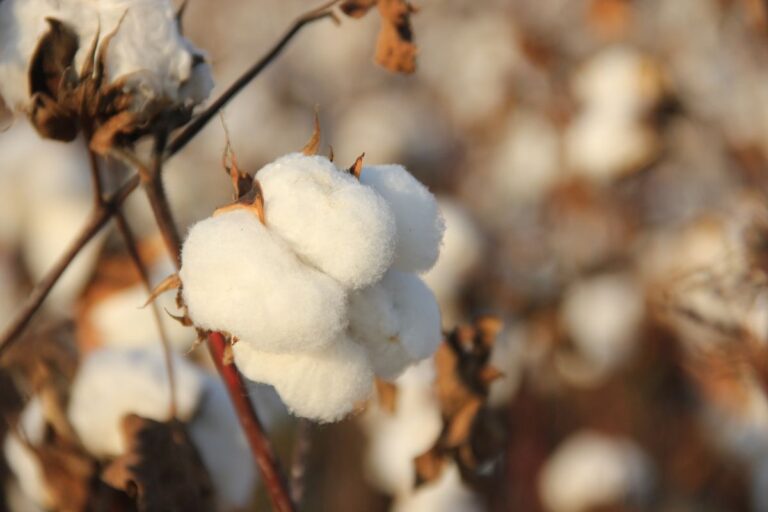
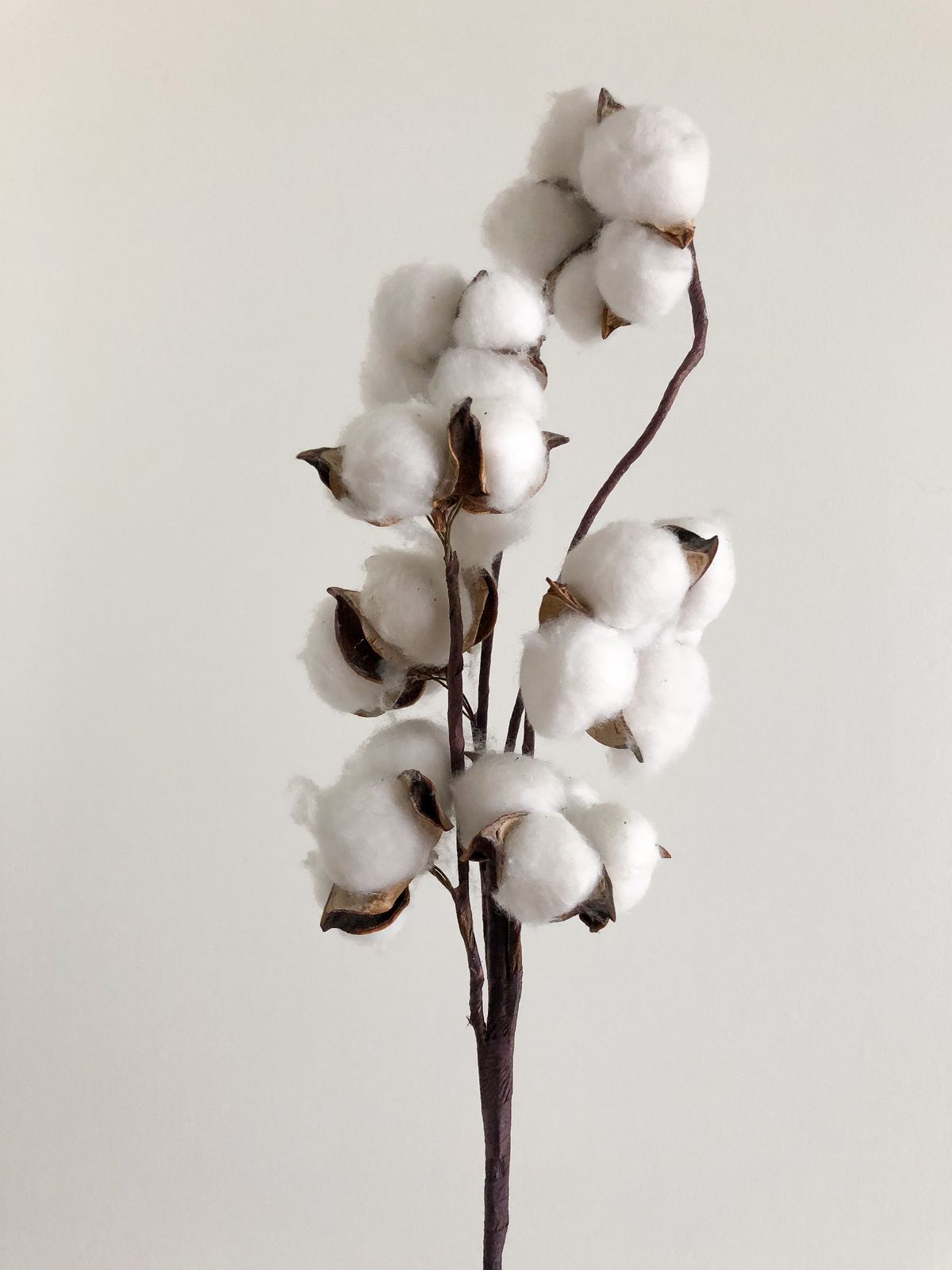
Cotton
Best for: simple everyday underwear, sensitive skin, and people who prefer a familiar natural fibre.
Cotton is widely recommended because it is soft, absorbent and generally comfortable. But “100% cotton” is not automatically airy: a thick, tightly knitted garment may hold moisture longer than a lighter fabric. Cotton can also feel damp during heavy exercise because it absorbs sweat but may dry slowly.
Look for a soft, lightweight knit, comfortable waistband, sufficient gusset coverage and a fit that does not compress. Organic certification concerns how the fibre was produced; it does not prove that the finished underwear prevents yeast infections or is less irritating for every wearer.
Cotton blends
Best for: everyday wear when stretch and shape retention improve the fit.
A small amount of elastane or spandex can stop underwear from sagging and may reduce bunching. The trade-off is not determined by a single percentage: knit structure, thickness and fit all matter. A well-fitting cotton blend may be more comfortable than a loose-looking “pure” cotton pair with bulky seams.
Modal, viscose and lyocell
Best for: people who value softness and a smooth drape.
These are regenerated cellulose fibres. Products made from them vary widely. “Bamboo underwear” is usually made from bamboo-derived viscose or rayon rather than raw bamboo fibre. Claims that the bamboo plant is naturally antibacterial do not prove that the processed garment has clinically meaningful antifungal activity.
Treat these fabrics as comfort options, not treatments. Check the actual fibre label, gusset material, thickness and washing instructions instead of relying on “bamboo,” “eco” or “antibacterial” on the front of the package.
Synthetic performance fabrics
Best for: exercise when the specific garment wicks and dries well.
Polyester, nylon and elastane are often described as “non-breathable,” but performance fabrics are engineered in different ways. Some lightweight knits move sweat and dry faster than absorbent cotton; others feel hot or trap moisture. For sport, the practical test is whether the garment stays smooth, manages sweat and is changed soon after exercise.
Avoid treating “moisture-wicking” as a medical claim. It describes textile performance under certain conditions, not proven prevention of Candida.
Merino wool and specialty fibres
Best for: selected travel or outdoor use when personally tolerated.
Fine merino can manage moisture and odour, but it may feel warm or itchy to some people and often costs more. Specialty fibres containing silver, copper or other antimicrobial treatments may reduce odour or microbial growth under a laboratory test, but that does not establish prevention or treatment of vaginal candidiasis. Check care instructions and avoid paying a premium solely for an antifungal-sounding claim.
Does the underwear cut matter?
There is no universally best style. Briefs, bikinis, boyshorts and thongs can all fit differently across brands and bodies.
- Briefs and bikinis: often provide stable gusset coverage; inspect leg elastic and seams.
- Boyshorts: can reduce a narrow elastic edge but may bunch or hold heat if too tight.
- Thongs: are not proven to cause yeast infections, but a narrow moving strip may irritate some people. Stop wearing a style that repeatedly rubs or worsens symptoms.
- Seamless styles: may reduce pressure lines, but “seamless” says nothing about breathability or gusset construction.
Fit is more important than the style name. Size up or choose another cut if the waistband digs in, the gusset shifts, or the garment leaves persistent marks.
Best product type by situation
| Situation | Prioritise | Be cautious about |
|---|---|---|
| Daily office or home wear | Soft cotton or cellulose-based fabric, comfortable fit, flat seams | Tight elastic, thick non-drying gussets |
| Hot and humid weather | Lightweight construction, spare pair for changing, quick drying | Heavy fabric and tight shapewear for long periods |
| Running or gym sessions | Low-friction seams, secure fit, tested sweat management | Remaining in damp clothing after exercise |
| Sensitive vulval skin | Simple design, soft gusset, minimal trim, fragrance-free laundering | Lace or exposed elastic where it rubs; “cooling” or fragranced finishes |
| Periods or light bladder leakage | Products designed for the required absorbency, frequent changing, good fit | Using absorbent underwear longer than directed because it still feels dry |
| Travel | Comfort, fast washing and complete drying, enough pairs to change | Unfamiliar treated fabrics that cannot be tested before the trip |
How to evaluate product listings
- Read the complete fibre label. The body and gusset may use different materials.
- Look for construction details. Product photos should show the gusset, seams, leg openings and waistband—not only the front.
- Ignore unsupported medical language. “Antimicrobial,” “pH balancing,” “Candida-safe” and “gynaecologist approved” need specific evidence and context.
- Check the return policy. Hygiene exclusions are common, so confirm whether unopened items, individual pairs or size exchanges are eligible.
- Start with a small pack. Test fit, washing and drying before buying many pairs.
- Read negative reviews strategically. Look for repeated comments about riding up, gusset width, elastic marks, retained odour, shrinkage or slow drying.
Laundering and changing
Follow the garment’s care label. Use enough detergent to clean the item, rinse it properly and let it dry completely. If fragrance or fabric softener irritates your skin, try a simpler fragrance-free routine rather than adding disinfectants or essential oils. There is no need to sterilise ordinary underwear after every yeast infection unless a clinician gives specific instructions for another reason.
Change underwear when it becomes damp from sweat, swimming, discharge or leakage. The goal is comfort and moisture control, not achieving a sterile genital area; Candida can normally live on and inside the body without causing disease.
Affiliate recommendation policy for this guide
Products considered for inclusion should meet the same editorial criteria regardless of retailer or commission:
- complete and accurate fibre and gusset information;
- a design suited to a clearly stated use case;
- no claim to treat or guarantee prevention of yeast infections;
- a meaningful range of sizes and an accessible size chart;
- transparent care and return information;
- enough independent customer feedback to identify recurring fit or durability problems.
A higher-priced pair will not be ranked above a simpler option merely because it uses “antimicrobial,” “bamboo” or “organic” marketing. Where products are later compared, the guide should explain why each is suitable and which trade-offs it has.
When underwear is not the answer
Burning, itching and soreness can come from candidiasis, bacterial vaginosis, an STI, contact dermatitis, eczema, lichen sclerosus and other causes. Seek assessment when symptoms are new, severe, unusual, recurrent, occur during pregnancy, or do not improve after appropriate treatment. The CDC usually defines recurrent vulvovaginal candidiasis as three or more symptomatic episodes in under one year.
See when to seek care, our symptom guide, and the broader prevention guide.
The bottom line
Start with fit, a comfortable gusset, low-friction construction and moisture behaviour. Cotton is a sensible everyday default and is widely recommended in clinical self-care guidance, but it is not the only workable material and it does not guarantee prevention. Athletic synthetics may be useful when they genuinely wick and dry; bamboo-derived and antimicrobial claims should be judged as textile or marketing claims, not antifungal treatment evidence.
Sources and how this article was prepared
This article was prepared by Peter Ng as an evidence-based consumer guide. He is not presented as a doctor, textile scientist or other healthcare professional. Medical claims were checked against the following sources, accessed August 2026:
- NHS. Thrush in men and women.
- Centers for Disease Control and Prevention. Vulvovaginal Candidiasis: STI Treatment Guidelines.
- University of Iowa Health Care. Vulvar skin care guidelines.
- Leeds Teaching Hospitals NHS Trust. Vulval care advice.
Last evidence review: August 2026.