
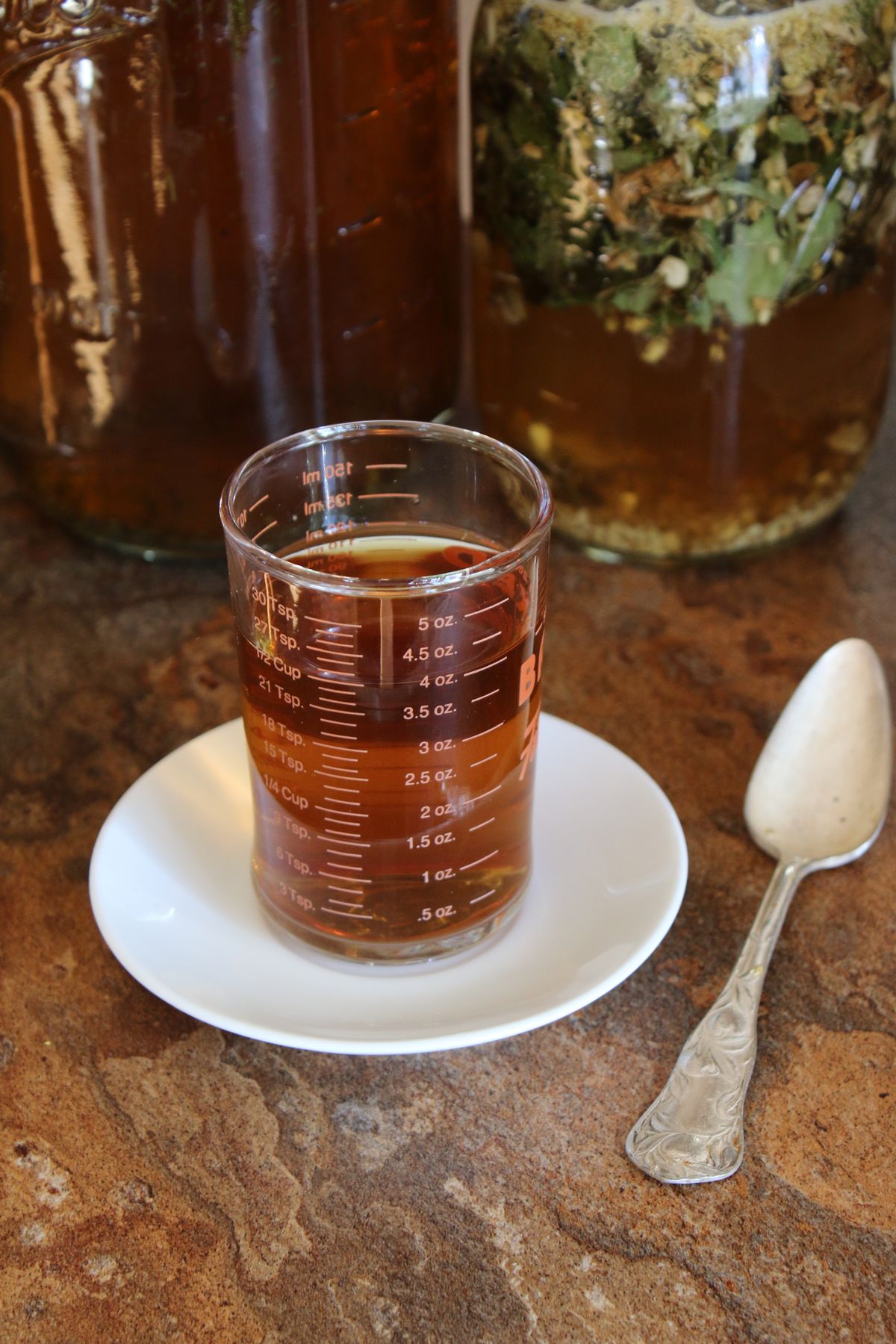
Apple Cider Vinegar for Yeast Infections
Medical disclaimer: This article is for educational purposes only and isn’t a substitute for professional medical advice, diagnosis, or treatment. Do not apply apple cider vinegar directly to the vagina or vulva — see the safety section below.
Apple cider vinegar (ACV) is one of the most commonly recommended “natural cures” for yeast infections online, but it’s also one where the actual clinical evidence and the safety concerns point in a more cautious direction than the popularity suggests.
What the Evidence Actually Shows
Lab studies have found apple cider vinegar has some antifungal properties in a petri dish setting, but there’s limited scientific evidence supporting its effectiveness for treating vaginal yeast infections in real, living patients. The research gap here is significant: essentially no human clinical trials have specifically tested ACV against vaginal yeast infections, so claims that it treats or prevents Candida infections in people aren’t well supported.
Why Vaginal or Vulvar Use Isn’t Recommended
This is the most important point: because apple cider vinegar is acidic, applying it topically to the vulva or using it as a vaginal douche can actually make yeast infection symptoms worse by irritating already-inflamed tissue. Vinegar douching also disrupts the vagina’s natural bacterial balance, which can increase infection risk rather than reduce it — the opposite of the intended effect. Medical sources are consistent on this point: ACV should not be put in or near the vagina.
If You Want to Try It Anyway
The safer route, if you want to experiment with ACV at all, is oral consumption — diluted in water, never taken undiluted, since concentrated vinegar can damage tooth enamel and irritate the mouth and esophagus. Even this use is more about general wellness habits than a targeted yeast infection treatment; it isn’t a substitute for antifungal treatment of an active infection.
Where It Fits Realistically
Given the acidity-driven irritation risk and the lack of human clinical evidence, ACV doesn’t have a solid place in a yeast infection treatment plan — topically or vaginally, it’s more likely to cause problems than solve them. If you’re drawn to home remedies, other options with better-supported safety profiles (like plain unsweetened yogurt with live cultures, taken orally) are more reasonable places to start. (See our guide on probiotics for yeast infections.)
When to See a Doctor
If you’ve tried a home remedy like ACV and symptoms haven’t improved — or have gotten worse, including new burning or irritation — stop use and see a doctor rather than experimenting further. (See our guide on when to see a doctor for a yeast infection.)
The Bottom Line
Apple cider vinegar has weak, mostly lab-only evidence for treating yeast infections, and applying it near or in the vagina can actively worsen symptoms due to its acidity — this is one home remedy where the safety concerns outweigh the unproven benefit. If used at all, it should be diluted and taken orally, never applied topically to the vulva or used as a douche.
This article is for educational purposes only and isn’t a substitute for professional medical advice, diagnosis, or treatment.
Sources consulted: Medical News Today’s evidence review on apple cider vinegar and Candida, Cleveland Clinic guidance on home remedies for yeast infections, and clinical commentary on vaginal douching risks (Healthline, Tysons Gynecology).