TCM Diet Therapy for Yeast Infections: The “Dampness” Framework
Medical disclaimer: This article is for educational purposes only and isn’t a substitute for professional medical advice, diagnosis, or treatment.
TCM’s dietary approach to candidiasis is built around avoiding foods thought to generate “dampness” — and if that sounds familiar, it’s because it overlaps substantially with the standard Western candida diet, just explained through a different framework. (See our guide to the Candida diet for the Western-framed version of this approach.)
The TCM Logic
TCM views candida overgrowth as dampness and heat accumulating in the body, often tied to a weakened Spleen (in TCM terms, the organ system most responsible for digestion and fluid processing). The dietary goal is twofold: reduce foods that generate more dampness, and support Spleen function so the body processes fluids and food more efficiently.
Foods Traditionally Avoided
TCM diet therapy for damp-heat/candida patterns generally advises limiting: refined sugar, alcohol, and honey; dairy and cheese; wheat and yeasted breads; cold and raw foods (seen as harder to digest and more “dampness-generating” in TCM theory); and rich, greasy, or fried foods.
Foods Traditionally Recommended
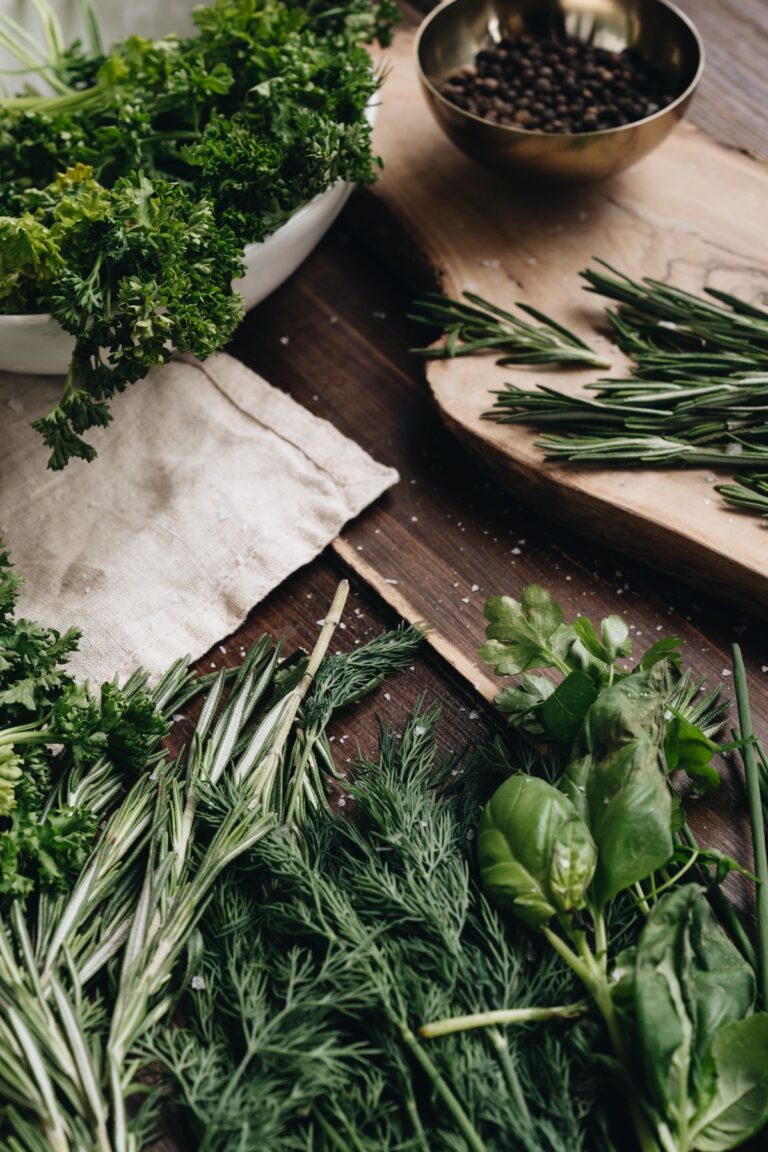
Leafy greens, garlic, barley, mung beans, cabbage, and kohlrabi are commonly recommended for clearing dampness, along with warming, easily digestible foods like pumpkin, winter squash, and yam, which TCM associates with strengthening Spleen function. Spicy aromatics — onion, garlic, radish, leek — are also traditionally used for their dampness-clearing property.
How This Compares to the Western Candida Diet
If you’ve read our Candida diet guide, you’ll notice significant overlap: both approaches cut sugar, alcohol, and refined carbohydrates, and both emphasize vegetables. The frameworks differ (TCM’s “dampness” versus the Western rationale of “starving” yeast overgrowth by limiting its preferred fuel sources), but the practical dietary advice ends up more similar than different. Neither framework has strong, dedicated clinical trial evidence proving that diet alone resolves an active yeast infection — the honest read of the science is that diet is more plausible as a supportive or preventive measure than as primary treatment, in TCM’s framework or the Western one.
Bottom Line
If you’re already interested in a candida-supportive diet, the TCM version doesn’t ask you to do anything meaningfully different from the general Candida diet guidance — it just explains the “why” through a different lens. Treat it as a reasonable supportive measure alongside actual antifungal treatment, not a replacement for one, especially for an active, symptomatic infection.
This article is for educational purposes only and isn’t a substitute for professional medical advice, diagnosis, or treatment.
Sources consulted: TCM diet therapy references for dampness and phlegm patterns (Balance Point Acupuncture, MedCrave food therapy review), and Pacific College of Health Sciences overview of TCM approaches to candidiasis.