
Traditional Chinese Medicine for Yeast Infections: Theory, Evidence & Safety
Medical disclaimer: This article is for educational purposes only and isn’t a substitute for professional medical advice, diagnosis, or treatment.
Traditional Chinese Medicine (TCM) has its own, much older framework for understanding recurring vaginal itching and discharge — and a growing (if unevenly documented) body of research behind some of its tools. This guide explains how TCM approaches candidiasis, what the evidence actually supports, and where the real safety concerns are, so you can make an informed decision rather than assume “natural” automatically means “safe” or “as effective.”
How TCM Frames a Yeast Infection
TCM doesn’t use the word “candidiasis.” Instead, it describes the pattern most consistent with a yeast infection as damp-heat — typically damp-heat pouring downward via the Liver channel, or dampness accumulating due to Spleen Qi deficiency. In practice, that means TCM diagnosis leans heavily on discharge itself as a diagnostic signal: heavy, sticky, or yellowish discharge points toward damp-heat, while thinner, more persistent discharge is read as a Spleen-deficiency pattern. Practitioners typically treat with a combination of herbs, sometimes acupuncture, and dietary adjustment, on the reasoning that recurring infections point to an underlying imbalance rather than just a local yeast overgrowth to be knocked out.
It’s worth being direct about what this is: a different explanatory model, not a validated biological mechanism. There’s no clinical evidence that “damp-heat” is a real physiological entity in the way, say, an azole-resistant Candida strain is. What matters more practically is whether the specific tools TCM uses — herbs, formulas, acupuncture — actually help, and that’s a question the evidence can partly answer.
What the Evidence Actually Shows
This is genuinely a mixed picture, and it’s worth resisting the urge to round it up or down.
Topical herbal washes have real trial evidence behind them. A 2025 network meta-analysis pooled 74 randomized controlled trials (over 8,000 patients) comparing topical Chinese polyherbal preparations, used alongside conventional treatment, against conventional treatment alone for vulvovaginal candidiasis. That’s a meaningfully large evidence base — larger, honestly, than what exists for several popular Western natural remedies like coconut oil or tea tree oil. (See our guide to TCM herbs for the specific formulations involved.)
Formulas taken internally have a longer history but thinner disease-specific evidence. Something like Long Dan Xie Gan Tang has centuries of use for damp-heat conditions and modern clinical study for other indications (shingles pain, hepatitis, insomnia), but dedicated trials for vaginal candidiasis specifically are harder to find in English-language literature. (More in our guide to TCM formulas.)
Acupuncture’s evidence for this specific condition is thin. There’s meaningfully less rigorous, English-accessible research on acupuncture for yeast infections than for the herbal approaches — mostly small studies combining acupuncture with herbs, which makes it hard to isolate what acupuncture itself is contributing. (See our acupuncture guide for more detail.)
A real, important caveat across all of this: most of the strongest trial data comes from Chinese-language journals and hasn’t been replicated or scrutinized to the same degree as the trials underlying CDC and ACOG’s antifungal recommendations. That doesn’t make it worthless — a 74-trial, 8,000-patient meta-analysis is a real body of evidence — but it does mean the evidence base is younger and less independently verified than what supports fluconazole or topical azoles.
The Safety Issue That Matters More Than Efficacy
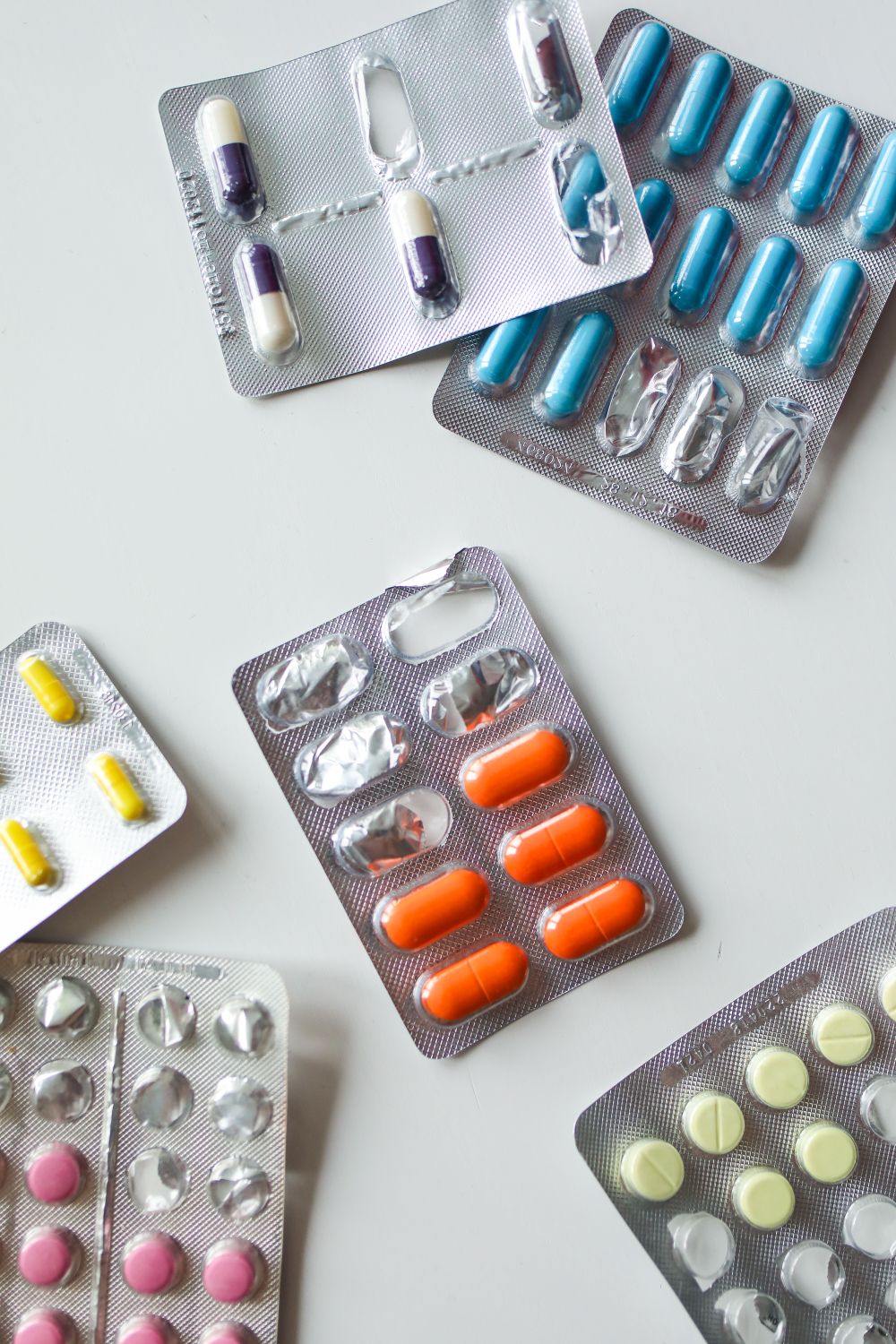
Here’s the part that deserves more attention than it usually gets: the biggest risk with TCM herbal treatment for yeast infections isn’t the herbs’ pharmacology or the tradition itself — it’s whether the specific product is legitimately sourced and regulated. Studies of products sold through unregulated markets (commonly the U.S., where herbal supplements fall outside pre-market safety testing requirements) have found undeclared pharmaceutical ingredients and heavy metal contamination in a meaningful share of tested samples. That risk looks very different in places with real TCM regulation — Singapore’s Health Sciences Authority requires Chinese Proprietary Medicines to be listed and meet safety standards before sale, for instance. Separately, a small number of herbs (from the Aristolochia genus, historically used in some unrelated formulas — not the ones covered in our guides) contain aristolochic acid, a confirmed kidney toxin and carcinogen, which is exactly the kind of substitution risk proper regulation screens against. The most important thing to know before trying any TCM herbal product: work through a licensed practitioner or a properly regulated product, not unverified online sourcing — the tradition isn’t the risk, unregulated sourcing is. (Full detail in our guide to sourcing TCM safely — read this before trying any herbal approach.)
A Fair Bottom Line
TCM herbal washes have more clinical trial support than most people assume, and dismissing them outright isn’t accurate to the evidence. At the same time, TCM approaches — like most natural and complementary treatments — generally aren’t positioned as a replacement for first-line antifungal treatment for an uncomplicated infection, and the contamination and mislabeling risks in unregulated herbal products are real and well-documented, not just theoretical caution. If you’re interested in TCM, working with a licensed, credentialed TCM practitioner (rather than self-treating with internet-sourced herbs) meaningfully reduces the sourcing risk, and it’s worth telling your regular doctor what you’re using, especially if you’re on other medications.
When to See a Doctor
A first-time infection, pregnancy, diabetes, a weakened immune system, or symptoms that don’t improve within a week of any treatment — TCM or conventional — are all reasons to get a clinical diagnosis rather than self-treat. (See our guide on when to see a doctor.)
This article is for educational purposes only and isn’t a substitute for professional medical advice, diagnosis, or treatment.
Sources consulted: 2025 network meta-analysis of topical Chinese polyherbal preparations for vulvovaginal candidiasis (PMC), CDC STI treatment guidelines for candidiasis, published research on heavy metal and undeclared pharmaceutical contamination in Chinese herbal medicine products, and peer-reviewed reviews of aristolochic acid nephropathy.