
Coconut Oil for Yeast Infections
Medical disclaimer: This article is for educational purposes only and isn’t a substitute for professional medical advice, diagnosis, or treatment. Talk to a doctor before using coconut oil internally or vaginally, especially if you have an active infection.
Coconut oil shows up constantly in natural-remedy lists for yeast infections, and there’s real lab evidence behind why — but “works in a lab dish” and “works reliably in the body” are two different claims, and it’s worth being clear about which one the research actually supports.
Why Coconut Oil Has Antifungal Properties
Coconut oil is rich in medium-chain fatty acids, particularly lauric acid, which makes up roughly half its fat content. When broken down, lauric acid produces monolaurin, a compound that has demonstrated the ability to disrupt fungal cell membranes, including those of Candida albicans.
What the Research Actually Shows
In vitro (lab dish) studies going back to 2007, including more recent work through 2024, have consistently found that virgin or cold-pressed coconut oil inhibits Candida albicans growth, with some studies finding high-concentration coconut oil performed comparably to fluconazole against certain strains. A Tufts University animal study also found coconut oil reduced Candida levels in the gut of mice by more than 90%.
That’s genuinely encouraging evidence — but it comes with an important limitation: these are lab and animal studies, not human clinical trials on vaginal yeast infections. Findings in a petri dish or a mouse gut don’t automatically translate to a reliable, repeatable effect when applied to human vaginal tissue, and no large-scale human trial has established coconut oil as an effective standalone treatment for vaginal yeast infections.
How People Use It
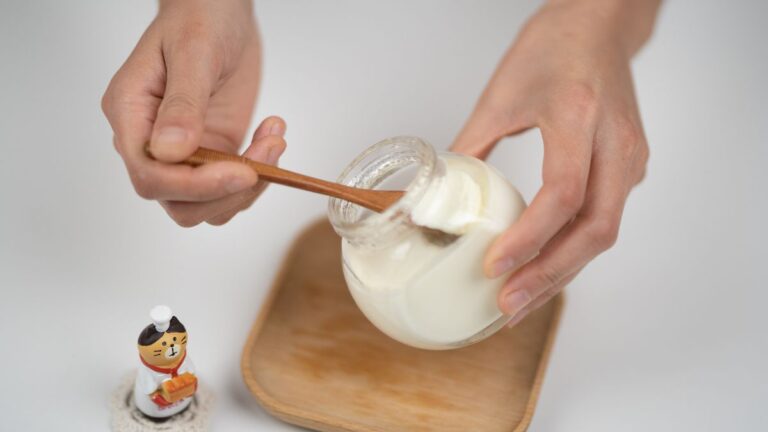
Most commonly, virgin coconut oil is applied topically to external, irritated skin, or used as a carrier/moisturizing oil alongside other remedies. Some sources describe internal or vaginal use, but this isn’t well-studied, and coconut oil’s oil-based texture can also degrade latex condoms and diaphragms, which is worth knowing if that applies to you.
Where It Fits Realistically
Given the evidence gap, coconut oil is reasonable to think of as a supportive, low-risk comfort measure for external irritation — not a replacement for confirmed antifungal treatment (like clotrimazole, miconazole, or fluconazole) for an active infection. If you want to try it, doing so alongside — not instead of — a standard treatment is the more evidence-aligned approach.
Safety Notes
Coconut oil is generally well tolerated on skin, but a small patch test on the forearm before broader use is a reasonable precaution, since any oil can cause irritation or an allergic reaction in some people. Avoid it with latex barrier contraception, and stop use if you notice increased irritation, burning, or worsening symptoms.
When to See a Doctor
If symptoms don’t improve within a few days of standard antifungal treatment, or you’re relying on coconut oil alone without confirmed diagnosis, it’s time to check in with a doctor rather than continuing a remedy that lab evidence — not human clinical evidence — supports. (See our guide on when to see a doctor for a yeast infection.)
The Bottom Line
Coconut oil has real, lab-demonstrated antifungal activity thanks to lauric acid and monolaurin, but that evidence comes from in vitro and animal studies, not human clinical trials on vaginal yeast infections — so it’s best treated as a low-risk supportive option alongside proven treatment, not a substitute for it.
This article is for educational purposes only and isn’t a substitute for professional medical advice, diagnosis, or treatment.
Sources consulted: Peer-reviewed in vitro studies on coconut oil antifungal activity against Candida albicans (2007–2024, including SAGE Open Medicine and ResearchGate-indexed studies), Tufts University research on coconut oil and gut Candida levels, and Medical News Today’s evidence summary on coconut oil for yeast infections.